When it comes to grinding corn, grains, and other materials for feed or food processing, choosing the right grinder can significantly impact your productivity and product quality. Two of the most popular options in the market are the hammer mill and the disk mill. Both machines serve similar purposes but operate on fundamentally different principles and excel in different applications.
In this comprehensive comparison, we’ll break down the key differences between hammer mill and disk mill machines, helping you make an informed decision for your specific needs. Whether you’re a small-scale farmer in Nigeria, a feed mill operator in the Philippines, or an agricultural cooperative in Kenya, understanding these differences will save you time, money, and frustration.
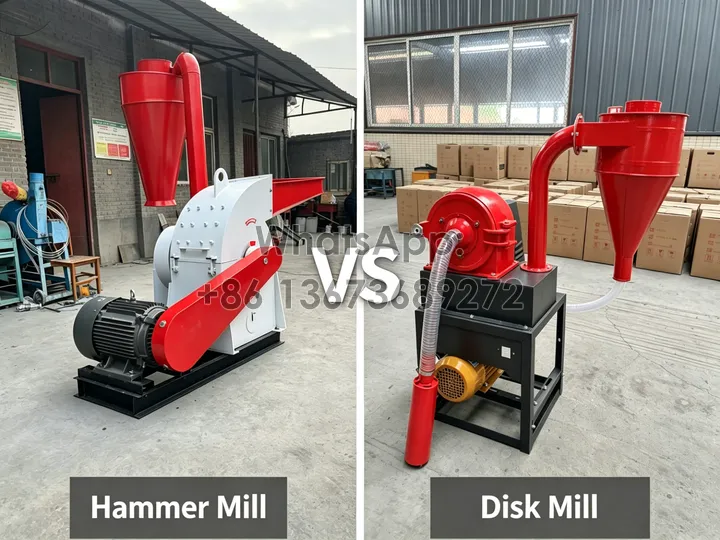
How hammer mill and disk mill work
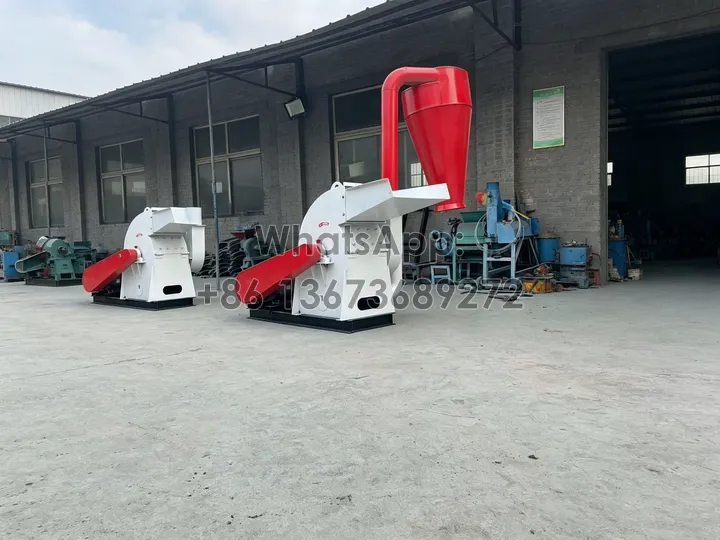
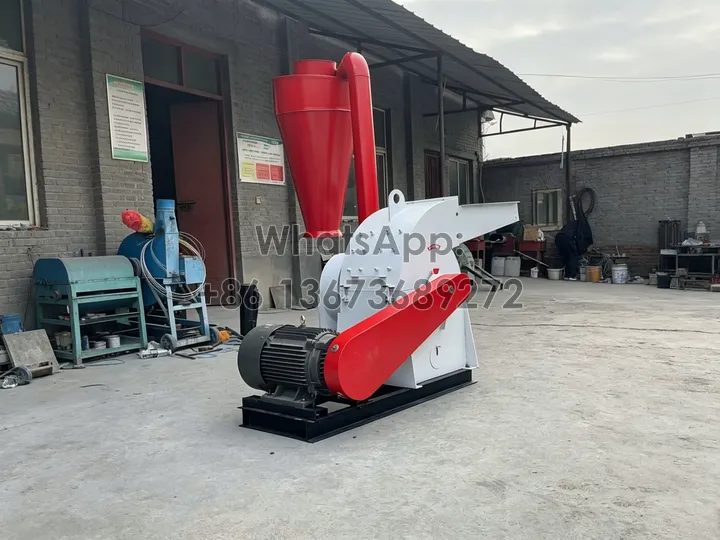
Hammer mill working principle and structure
A hammer mill machine uses high-speed rotating hammers to impact and crush materials. The hammers are attached to a central rotor and swing freely, striking the material fed into the grinding chamber. This impact-based mechanism breaks down the material into smaller particles.
The key components of a hammer mill include:
- Rotor with swinging hammers – The main grinding component
- Sieve or screen – Controls the final particle size
- Feed inlet – Where material enters the chamber
- Discharge outlet – For processed material to exit
- Cyclone dust collector – Optional component for fine powder collection
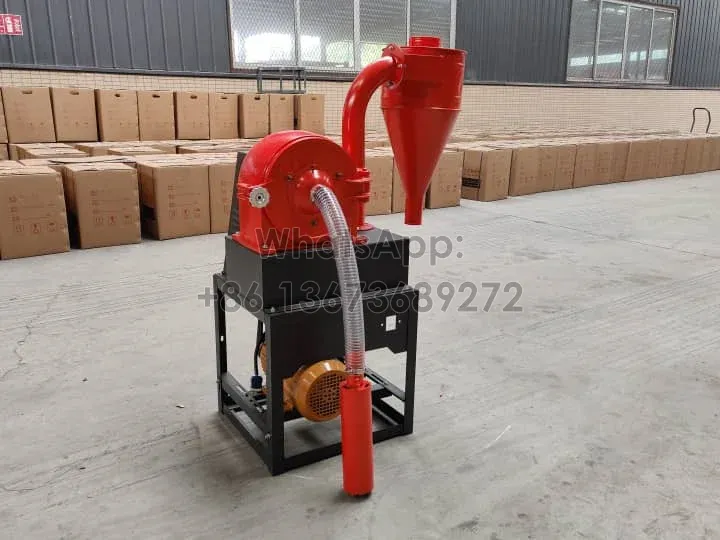
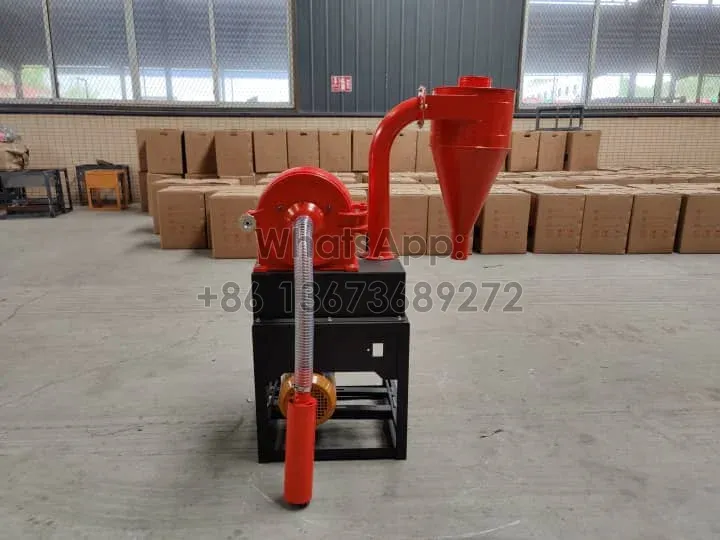
Disk mill working principle and structure
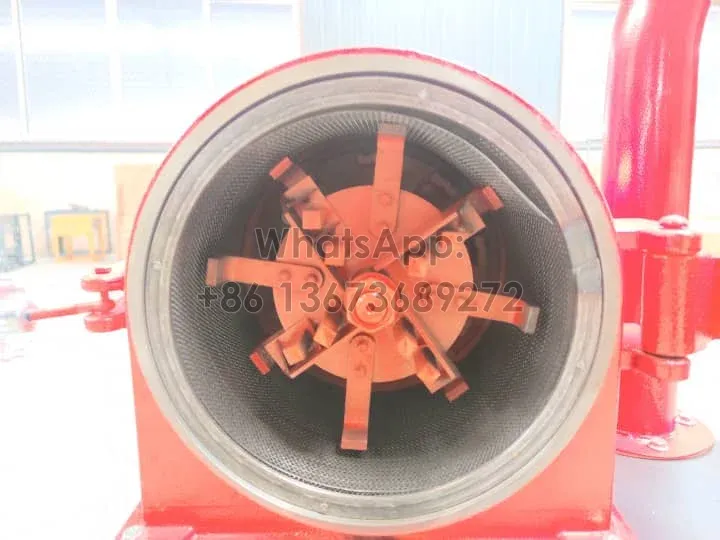
A disk mill machine, also known as a plate mill or disc mill, uses two rotating abrasive discs to crush and grind materials. One disc is stationary while the other rotates, creating a shearing and crushing action as material passes between them.
The key components of a disk mill include:
- Rotating disc – Driven by the motor
- Stationary disc – Creates the grinding gap
- Circular teeth – On the discs for crushing action
- Screen – Controls output particle size
- Hopper – For feeding material
Key differences: Hammer mill vs disk mill
| Feature | Hammer Mill | Disk Mill |
| Grinding Mechanism | Impact by swinging hammers | Shearing and crushing between rotating discs |
| Output Fineness | Moderate to coarse powder | Finer and more uniform powder |
| Energy Consumption | Lower (only hammers rotate) | Higher (entire disc assembly rotates) |
| Capacity Range | Max. 3000kg/h | Max. 2500kg/h |
| Material Versatility | Excellent for corn cobs, kernels, tough materials | Better for grains, spices, delicate materials |
| Maintenance | Hammers wear out and need replacement | Discs may need resurfacing over time |
| Best For | Feed processing, biomass, fibrous materials | Flour production, spices, fine grinding |
Grinding mechanism comparison
Hammer mill mechanism
The hammer mill’s impact mechanism offers several advantages:
- High reduction ratio – Can reduce large particles to small sizes in a single pass
- Handles tough materials – Effectively process corn cobs, stalks, and fibrous materials
- Energy efficient – Only the hammers need to be driven, not the entire grinding surface
- Easy to maintain – Simply replace worn hammers
Disk mill mechanism
The disk mill’s shearing action provides these benefits:
- Finer output – Produce more uniform and finer powder
- Tighter disc alignment – Create consistent particle sizes
- Better for grains – Excel at processing wheat, rice, and similar crops
- Versatile applications – Used in food, pharmaceutical, and chemical industries
Applications and use cases
When to choose a hammer mill?
A hammer mill grinder is the ideal choice when:
- You need to process corn cobs and stalks alongside grains.
- You’re producing animal feed that requires various particle sizes.
- You work with fibrous or tough materials like sorghum or soybeans.
- Energy efficiency is a priority in your operation.
- You need easy maintenance with readily available replacement parts.
Our 9FQ hammer mill series has been widely adopted across Africa, including a notable order of 72 sets to Nigeria for government agricultural programs.
When to choose a disk mill?
A disk milling machine is the better option when:
- You require fine flour or powder for food processing.
- You’re grinding spices, peppers, or dried chili.
- You need consistent particle size for quality products.
- You’re processing grains like wheat, rice, or sorghum for human consumption.
- You need versatility for chemical, pharmaceutical, or paper industries.
The 9FZ disk mill has proven successful in diverse markets, from Djibouti to France, particularly for small-scale processing operations.
Cost-effectiveness analysis of grinding machine
When evaluating the total cost of ownership, consider these factors:
Initial investment
- Hammer mills typically have a lower initial cost and offer models ranging from 9FQ-320 (entry-level) to 9FQ-1000 (high-capacity).
- Disk mills like the 9FZ-280 offer competitive pricing with similar capacity ranges.
Operating costs
- Energy consumption – Hammer mills are generally more energy-efficient due to their simpler rotating assembly.
- Power options – Both machines offer electric motor, gasoline engine, or diesel engine options for remote areas without reliable electricity.
- Spare parts – Hammer mill hammers (16-24 pieces depending on model) are inexpensive and easy to replace; disk mill discs are more costly but last longer.
Maintenance requirements: Hammer mill vs disk mill
| Hammer Mill Maintenance | Disk Mill Maintenance |
| Regular inspection and replacement of worn hammers Check and adjust belt tension periodically Clean the sieve or screen to prevent clogging Lubricate bearings as recommended | Monitor disc wear and resurface or replace when necessary Check disc gap alignment for consistent output Inspect and replace bearings periodically Clean screens and check for wear |
Making your decision: Hammer mill or disk mill?
Here’s a quick decision guide based on your specific needs:
Choose hammer mill crusher if:
- You process corn cobs and stalks
- Energy efficiency matters
- You need easy maintenance
- Animal feed production is primary
- You need higher capacity options
Choose disc mill if:
- Fine flour quality is essential
- You process grains for food
- Spice grinding is involved
- You need uniform particle size
- Multi-industry applications
Conclusion
Both hammer mill grinders and disk mills are excellent choices for grinding applications, but they serve different purposes optimally. Your decision should be based on:
- The type of material you’ll be processing most frequently
- The desired output fineness for your end product
- Energy efficiency requirements in your operation
- Maintenance capabilities and spare parts availability
- Budget constraints for both initial investment and ongoing costs
At Taizy, we offer both hammer mill machines and disk mill machines to meet various grinding needs. Our team can help you select the right machine based on your specific requirements, raw materials, and production goals.
Whether you choose a hammer mill or a disk mill, investing in quality equipment from a reliable manufacturer ensures consistent performance, durability, and excellent after-sales support. Contact us today to discuss your grinding needs and find the perfect solution for your farm or processing operation.